Understanding CBD Oil: What You Need to Know
What is CBD Oil?
CBD Oil, short for cannabidiol oil, is derived from the cannabis plant. Unlike THC (tetrahydrocannabinol), which is another well-known cannabinoid, CBD does not produce a psychoactive effect, meaning it does not induce a “high.” This characteristic has made CBD Oil a popular alternative for those seeking the health benefits associated with cannabis without the mind-altering effects. CBD interacts with the body’s endocannabinoid system, which plays a crucial role in regulating various physiological processes, including mood, pain sensation, and immune response.
The demand for CBD Oil has surged in recent years, leading to a burgeoning market filled with various products claiming different benefits. For those exploring the therapeutic potential of CBD Oil, understanding its origins, extraction methods, and legal status is essential.
Origins and Extraction Methods of CBD Oil
CBD Oil is predominantly extracted from hemp, a variety of the Cannabis sativa plant that must contain less than 0.3% THC to be legally classified as hemp. The extraction methods used to isolate CBD can significantly affect the quality and purity of the final product. Common extraction methods include:
- CO2 Extraction: This method uses pressurized carbon dioxide to extract CBD. It is regarded as the most effective and safe extraction method, yielding a pure product without damaging the cannabinoids and terpenes.
- Solvent Extraction: Solvents like ethanol or butane are used to dissolve the cannabinoids. While this method can be effective, it can leave residual solvents that may be harmful.
- Olive Oil Extraction: This is one of the oldest methods of extracting CBD. It involves using olive oil as a solvent. While safe, it results in a less concentrated product and has a shorter shelf life.
Each extraction method has its pros and cons, and consumers should seek information about the extraction method used in the products they choose.
Legal Status of CBD Oil in the U.S.
The legal status of CBD Oil has evolved significantly over the past years. The 2018 Farm Bill legalized the production and sale of hemp-derived CBD products at the federal level, provided they meet the regulatory threshold of containing less than 0.3% THC. However, states retain the authority to establish their regulations regarding CBD, leading to a patchwork of laws. It is crucial for consumers to familiarize themselves with local laws pertaining to CBD use, as possession and use can vary dramatically from one location to another.
Health Benefits of CBD Oil
Potential Relief from Pain and Inflammation
One of the most praised benefits of CBD Oil is its potential to alleviate pain and reduce inflammation. Studies suggest that CBD may interact with receptors in the immune system and brain to reduce pain perception. For individuals suffering from chronic pain conditions such as arthritis or fibromyalgia, CBD Oil may offer a more natural alternative to traditional painkillers while avoiding unpleasant side effects.
Additionally, preclinical studies have indicated that CBD can suppress inflammatory responses, which could be beneficial for individuals with conditions like multiple sclerosis or Crohn’s disease. Although more research is needed to establish the efficacy of CBD Oil in pain management definitively, initial findings are promising.
Impact on Anxiety and Stress Relief
Anxiety disorders are among the most common mental health disorders, affecting millions of individuals worldwide. Traditional treatments often involve pharmaceuticals that can have unwanted side effects. CBD Oil offers a potential alternative, with research indicating its effectiveness in reducing anxiety levels.
Studies have shown that CBD may help soothe anxiety and stress by altering the brain’s signaling pathways. One study found that participants with social anxiety reduced their anxiety levels significantly after taking CBD Oil, suggesting its potential as an anxiety management tool. Users report feeling calmer and more at ease when using CBD Oil, making it an attractive option for those dealing with anxiety and stress.
Exploring Sleep Improvement with CBD Oil
Sleep disturbances affect a significant portion of the population, often leading to chronic health issues. Many users of CBD Oil report enjoying better sleep quality and longer sleep duration. The calming effects of CBD may assist in alleviating sleep disorders by addressing the underlying causes, such as anxiety and stress.
Some studies have indicated that CBD may help improve sleep by addressing issues contributing to insomnia, including anxiety and pain. Although the mechanisms are not fully understood, CBD shows promise as a natural remedy for enhancing sleep quality.
How to Use CBD Oil Effectively
Methods of Consumption: Tinctures, Capsules, and More
CBD Oil can be consumed in various forms, each with its advantages and drawbacks. The choice of method often depends on individual preferences and the desired effects. Here are some common forms of CBD Oil consumption:
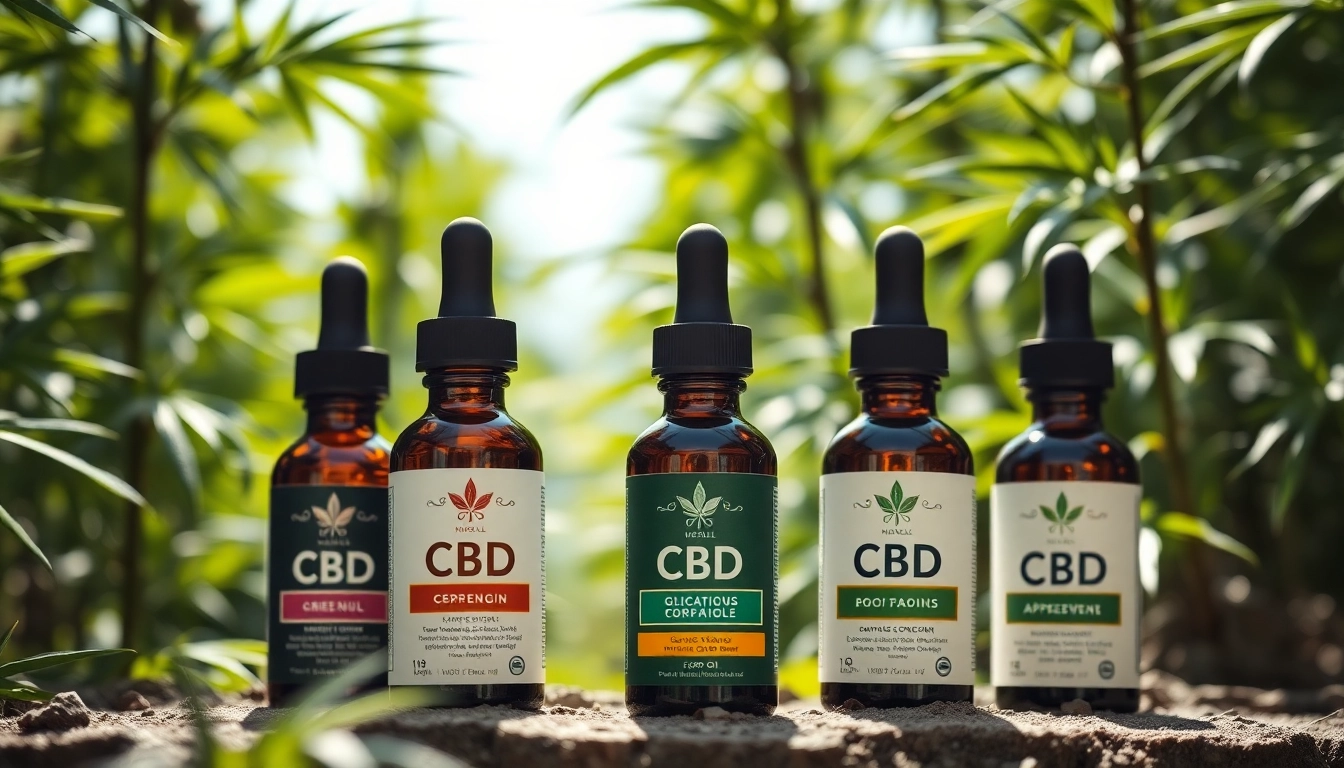
- Tinctures: These are liquid extracts of CBD Oil, typically taken sublingually (under the tongue) for faster absorption into the bloodstream.
- Capsules: CBD Oil capsules offer a convenient way to consume CBD without the taste of oil. They provide a consistent dosage and are easy to incorporate into daily routines.
- Topicals: CBD-infused creams and lotions can be applied directly to the skin, targeting specific areas for localized relief.
- Edibles: CBD can be infused into food and beverages, making it a tasty option for those who prefer an alternative method of consumption.
Understanding the different consumption methods can help users find the most suitable approach for their needs.
Dosage Recommendations for Beginners
Finding the right dosage of CBD Oil can be challenging, especially for beginners. Recommendations for dosage vary widely depending on several factors, including body weight, individual body chemistry, and the condition being treated. A common starting point is to begin with a low dose (often around 5 to 10 mg) and observe how your body reacts.
It is advisable to remain consistent with the initial dosage for several days before making any changes. This allows users to gauge the effectiveness of the CBD Oil and adjust the dosage accordingly, by either increasing or decreasing it based on personal needs.
Safety and Precautions When Using CBD Oil
While many people tolerate CBD Oil well, potential side effects do exist. These can include fatigue, changes in appetite, and gastrointestinal discomfort. It is essential to consult with a healthcare professional, especially if you are taking other medications or have existing health conditions.
Additionally, users should consider the quality of the CBD Oil they choose. Look for products with third-party lab testing to ensure they are free from harmful contaminants and accurately labeled regarding CBD content. This practice can help mitigate potential risks associated with untested products.
Choosing Quality CBD Oil: What to Look For
Lab Testing and Transparency in CBD Oil Products
One of the most critical factors when choosing a quality CBD Oil is to select products that have undergone third-party lab testing. This testing ensures that the oil is free from contaminants, such as pesticides or heavy metals, and confirms the accuracy of the purported cannabinoid content.
Reputable brands often provide lab results on their websites, reflecting their commitment to transparency and product safety. Always look for these certifications to make informed purchasing decisions.
Understanding Labels: Broad vs Full Spectrum CBD Oil
There are two primary types of CBD oils: broad-spectrum and full-spectrum. Full-spectrum CBD Oil contains all cannabinoids found in the cannabis plant, including THC, while broad-spectrum CBD Oil contains multiple cannabinoids but no THC. Understanding the difference is crucial for users depending on their preferences and legal restrictions regarding THC.
Full-spectrum CBD oils may offer an “entourage effect,” where multiple cannabinoids work synergistically to enhance the benefits. In contrast, broad-spectrum oils provide similar benefits without THC, making them suitable for users who are concerned about potential drug tests or legal issues surrounding THC.
Top Ingredients to Seek in Quality CBD Oil
When evaluating quality CBD Oil, check for the following indicators of quality:
- Organic hemp: Look for oils sourced from organically grown hemp to ensure the absence of harmful chemical additives.
- Clear labeling: The label should clearly state the CBD concentration, other cannabinoids, and any additional ingredients present.
- Natural ingredients: Avoid products with synthetic additives or unnecessary fillers, as they can diminish the oil’s effectiveness.
A thorough examination of these factors can significantly impact the quality and efficacy of the CBD Oil you choose.
Future of CBD Oil: Trends and Research
Emerging Studies on CBD Oil Benefits
Ongoing research into the benefits of CBD Oil continues to grow, with promising studies exploring its effects on various health conditions. Areas of investigation include its potential role in treating epilepsy, neurodegenerative disorders, and even certain types of cancer. As scientific understanding expands, the market will likely evolve with more targeted formulations designed to address specific health issues.
As research establishes clearer guidelines and findings, consumers can expect to see an influx of information supporting the various claims surrounding CBD Oil and its health benefits, leading to more educated decisions regarding its use.
Regulatory Changes Impacting CBD Oil Market
As the legal landscape surrounding CBD continues to evolve, regulatory bodies are increasingly focused on ensuring product safety and efficacy. Future regulations may include stricter labeling requirements and quality standards for CBD products. These changes could enhance consumer trust and encourage the growth of high-quality brands within the industry.
Staying updated on regulatory changes is vital for consumers who wish to navigate the market effectively and ensure they are choosing safe, compliant products.
Consumer Awareness and Education on CBD Oil
With the rapid growth of the CBD market, consumer education has become paramount. As more people seek to incorporate CBD Oil into their wellness routines, understanding its benefits, potential risks, and the importance of quality products will empower consumers to make informed decisions.
Increased access to reliable information and resources can help dispel myths surrounding CBD and promote a better understanding of its role in health and wellness. The onus is on both manufacturers and health professionals to provide clear, evidence-based information to guide consumers on their CBD journey.