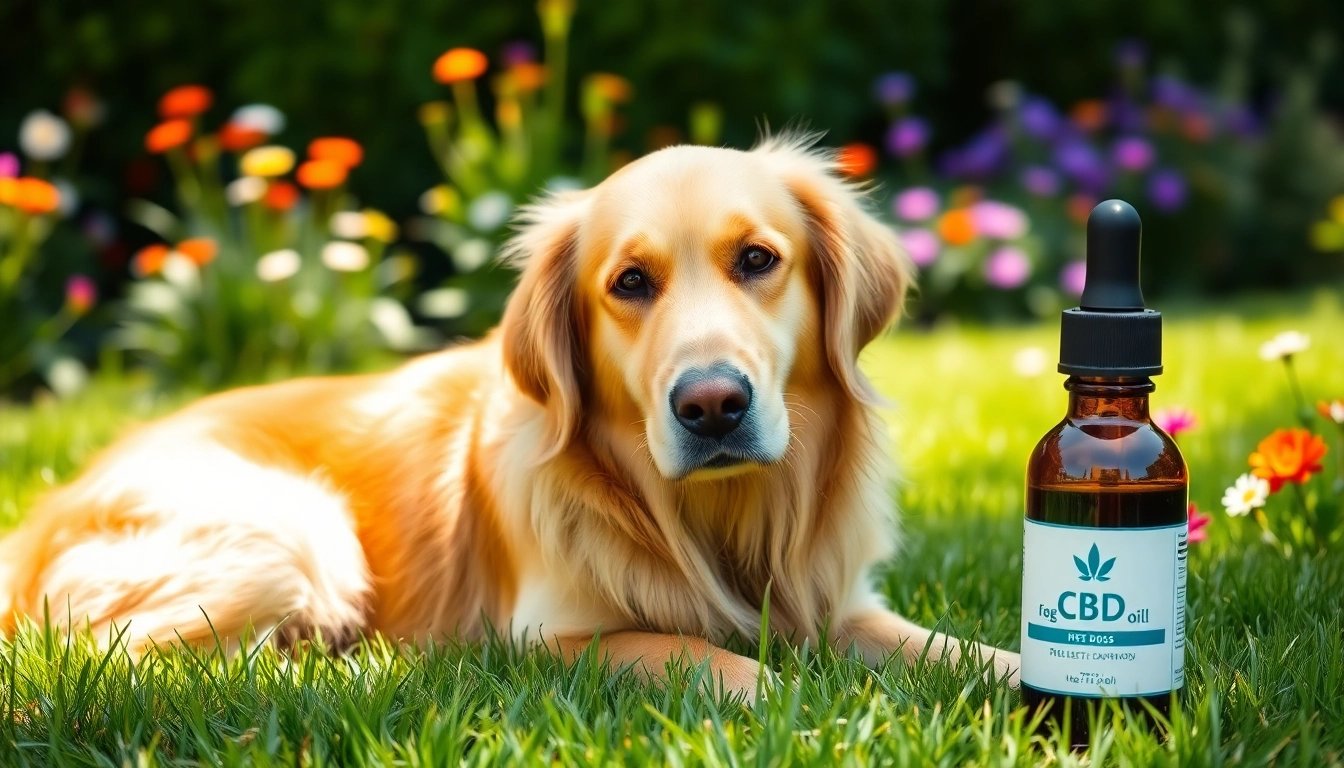
Understanding CBD For Pet: What You Need to Know
As a pet owner, ensuring the health and well-being of your furry companion is likely a top priority. With emerging research and an increase in public interest regarding CBD For Pet, many are exploring its potential benefits. This comprehensive guide delves into what CBD is, how it can affect pets, and the myriad forms it takes, along with dosage guidelines, safety concerns, and practical administration tips.
What is CBD and its Source?
CBD, or cannabidiol, is a naturally occurring compound found in the marijuana and hemp plants. Unlike THC (tetrahydrocannabinol), another well-known compound from the cannabis family, CBD is non-psychoactive, meaning it doesn’t produce a “high.” The primary source of CBD suitable for pets is hemp, which contains a higher concentration of CBD and lower THC levels, adhering to federal guidelines that permit the sale of hemp-derived products within specific THC thresholds.
How CBD Works for Pets
The potential therapeutic effects of CBD are linked to its interaction with the endocannabinoid system (ECS), a complex network of receptors and neurotransmitters found in both humans and animals. The ECS plays a crucial role in regulating various physiological processes, including pain sensation, immune response, and mood regulation. When CBD is administered, it influences these receptors, which can lead to a variety of health benefits.
Key Benefits of CBD For Pet
The increasing interest in CBD for pets is reflected in various studies and anecdotal evidence suggesting its wide range of benefits, which may include:
- Anxiety Relief: Many pets experience anxiety due to separation, loud noises, or changes in their environment. CBD may help reduce these stress responses.
- Joint Pain and Inflammation: For older pets or those with joint issues, CBD’s anti-inflammatory properties may relieve pain and improve mobility.
- Seizure Management: Some studies suggest CBD can help manage seizure activity in dogs suffering from epilepsy.
- Appetite Stimulation: Administering CBD may increase appetite in pets who are experiencing nausea or other underlying health issues.
Different Forms of CBD For Pet Products
Oils and Tinctures: Versatile Choices
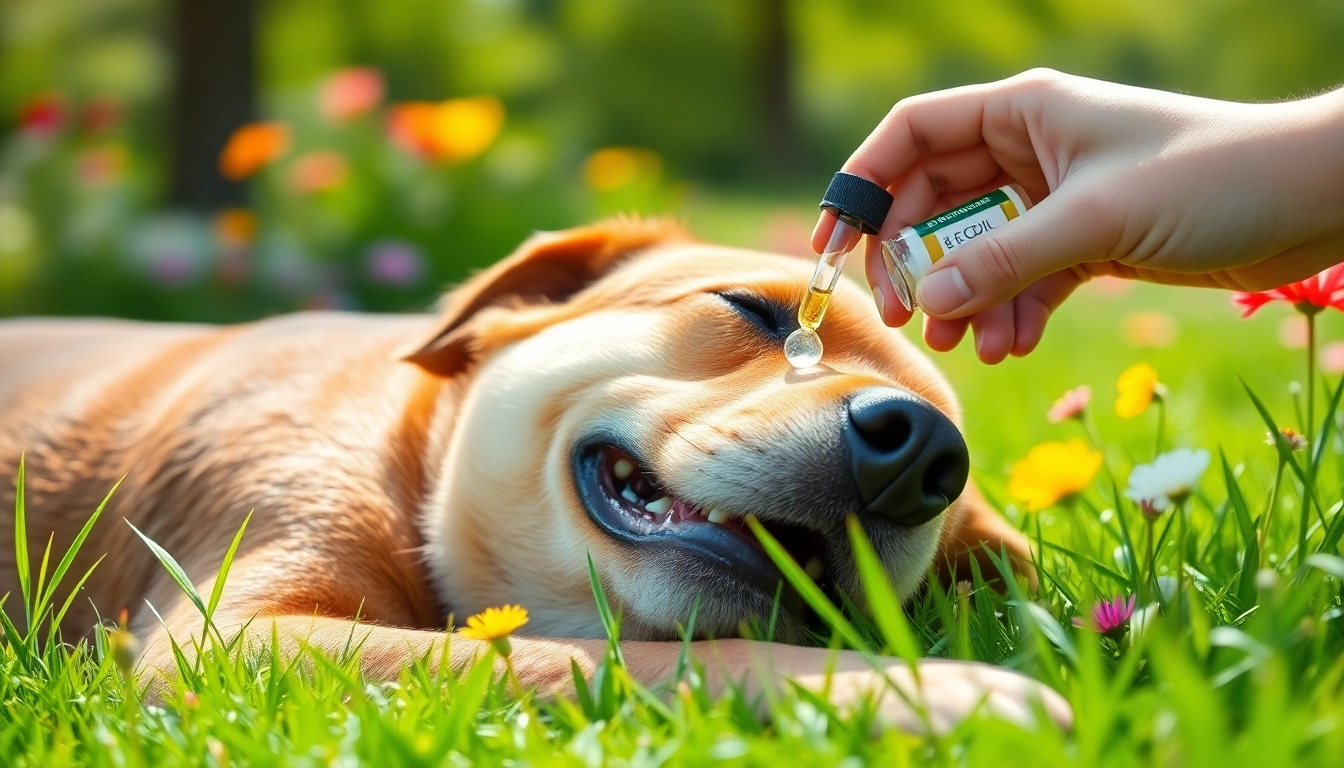
CBD oils and tinctures are among the most popular forms of CBD for pets. These liquid forms of CBD allow for easy dosage adjustments and are often administered orally. They can be mixed with food or given directly, making them a flexible option for pet owners trying to incorporate CBD into their pet’s regimen.
Treats and Chews: A Tasty Alternative
For pet owners who prefer a more palatable option, CBD-infused treats and chews are an excellent choice. These products come in various flavors and are designed to be enjoyable for pets, making administration easier, particularly for those pets who dislike oils or tinctures. Ensure to check the amount of CBD in each treat to adhere to appropriate dosing guidelines.
Topicals: Targeted Relief for Pets
CBD topicals, such as balms or creams, are applied directly to the skin. These products aim to target localized discomfort, such as sore joints or skin irritations, offering relief exactly where it’s needed without systemic effects throughout the body.
Dosage Guidelines for CBD For Pet
Factors to Consider for Dosing
Determining the appropriate dosage of CBD can depend on several factors, including the pet’s weight, health condition, and individual response to CBD. There’s no one-size-fits-all dosage; thus, it’s essential for pet owners to start low and go slow, gradually adjusting the dosage while monitoring their pet’s response.
Recommended Dosages by Pet Size
The following general guidelines can help owners ensure that their pets receive a safe and effective amount of CBD:
- Small Pets (under 20 lbs): 1-5 mg of CBD per dose.
- Medium Pets (20-50 lbs): 5-15 mg of CBD per dose.
- Large Pets (over 50 lbs): 15-30 mg of CBD per dose.
Monitoring Your Pet’s Response
Keep a close watch on your pet’s behavior and health after administering CBD. Look for any changes in symptoms, activity levels, or appetite. If you notice any adverse effects or if the desired effect isn’t achieved within a reasonable timeframe, it may be necessary to adjust the dosage or consult a veterinarian for advice.
Safety and Side Effects of CBD For Pet
Common Misconceptions about CBD Safety
Despite its growing popularity, there are several misconceptions surrounding the safety of CBD for pets. Many pet owners worry about the legal implications or potential side effects. It’s crucial to note that, while CBD derived from hemp is legal in many areas, not all CBD products are created equally. Always choose high-quality products that undergo third-party testing to ensure safety and efficacy.
Possible Side Effects to Watch For
While CBD is generally considered safe for pets, some side effects may occur, although they are infrequent and mild. Potential side effects include:
- Drowsiness or lethargy
- Dry mouth or increased thirst
- Diarrhea in some instances
It’s essential to monitor your pet closely, especially when starting a new CBD regimen. If severe side effects are observed, discontinue use and seek veterinary care.
How to Choose Quality CBD For Pet Products
Selecting the right CBD product can be daunting due to the vast array of options available on the market. Here are steps to ensure you choose a quality product:
- Check for Third-Party Testing: Reliable brands should provide certificates of analysis from independent laboratories, verifying the potency and purity of their products.
- Read Ingredient Lists: Ensure products do not contain unnecessary fillers or harmful additives.
- Look for Full-Spectrum Products: Full-spectrum CBD contains a range of cannabinoids and terpenes, which work together to enhance overall effectiveness.
Best Practices for Administering CBD For Pet
Incorporating CBD into Your Pet’s Routine
Establishing a consistent routine when administering CBD can lead to better results. Administer the CBD at the same time each day and alongside regular meals to help create a sense of predictability for your pet.
Tips for Successful Administration
To facilitate successful implementation of CBD into your pet’s routine, consider these practical tips:
- Start with a Low Dose: Monitoring your pet’s response is crucial. Beginning with a low dose allows you to observe how they handle the CBD.
- Mix with Food: If your pet is hesitant to take oils or tinctures, mixing CBD into their food can disguise the flavor and make it more appealing.
- Stay Consistent: Consistency is key for the best results—ensuring your pet gets CBD regularly can lead to cumulative benefits.
Understanding Legal Regulations Surrounding CBD For Pets
The legal landscape concerning CBD products can vary significantly based on your location. While hemp-derived CBD is legal in many states, it’s essential to stay informed about local laws and ensure compliance. Engage with veterinarians who are knowledgeable about CBD and can provide guidance specific to your area.