
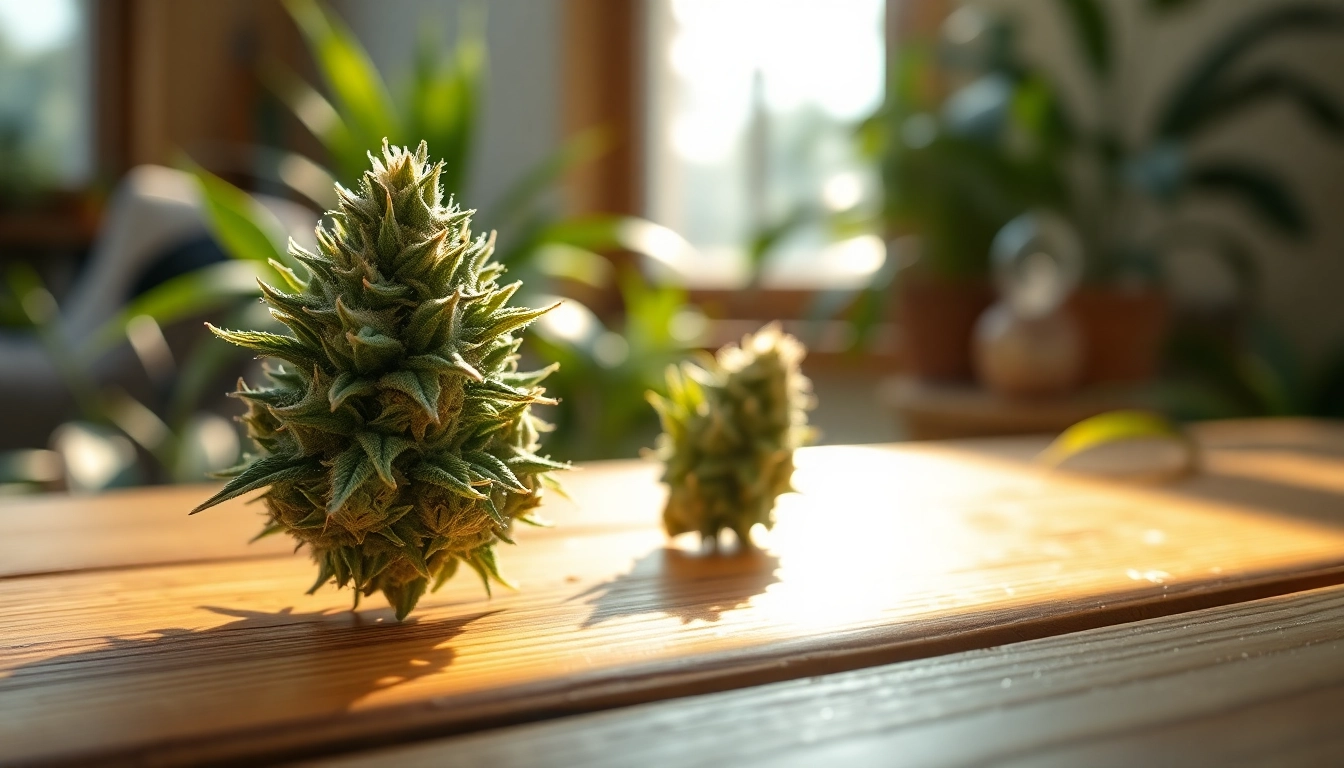
What is THCA Flower?
Definition and Origins
THCA flower, or tetrahydrocannabinolic acid flower, is the raw, non-psychoactive precursor to THC (tetrahydrocannabinol). Found in the cannabis plant, THCA is produced during the flowering stage, where trichomes, which contain cannabinoids, begin to form. As cannabis matures, the levels of THCA increase. Upon exposure to heat, THCA decarboxylates into THC, which is the compound responsible for the psychoactive effects commonly associated with cannabis consumption.
How THCA Differs from THC
The fundamental difference between THCA and THC lies in their molecular structure and effects on the body. While THC is well-known for producing euphoria, relaxation, and heightened sensory perception, THCA does not produce these psychoactive effects; it primarily exists in its acidic form until heated. Due to this distinction, THCA is garnering interest for its medicinal properties without the high associated with THC. Users can enjoy the therapeutic benefits without getting intoxicated, making it a popular choice among those seeking natural remedies.
Legal Status and Accessibility
The legal status of THCA flower varies significantly depending on jurisdiction. In areas where cannabis is legalized for medical or recreational use, THCA flower is generally permitted for sale and consumption. However, in places where cannabis remains illegal, the status of THCA can be complicated, often depending on state or country regulations regarding hemp and cannabinoid derivatives. Recent legislative changes are increasingly making THCA flower accessible to consumers, particularly in the United States, creating a new niche market that enthusiasts are eager to explore. For those looking to learn more about this exciting plant product, visiting THCA flower resources can provide invaluable insight.
Health Benefits of THCA Flower
Potential Therapeutic Uses
THCA flower has shown potential therapeutic benefits that may help manage various health conditions. Research indicates that THCA has anti-inflammatory properties, making it a candidate for treating chronic pain, arthritis, and autoimmune diseases. Additionally, early studies suggest that THCA may inhibit the proliferation of cancer cells, signaling its possible role in cancer treatment protocols. The exploration of THCA continues, with ongoing studies assessing its efficacy in conditions such as nausea, anxiety, and neurodegenerative disorders, developing it into a promising option in cannabinoid therapy.
Anti-Inflammatory Properties
One of the most significant benefits of THCA flower is its anti-inflammatory properties. Inflammation is a response by the body to injury or infection but can become problematic when chronic. Research suggests that THCA interacts with the endocannabinoid system (ECS) to help modulate this response, potentially alleviating symptoms of conditions like Crohn’s disease, lupus, and arthritis. The ability of THCA to reduce inflammation without psychoactive effects makes it particularly appealing for patients who want to manage pain effectively without the high of THC.
Neuroprotective Benefits
THCA flower has also been examined for its neuroprotective benefits. Studies have suggested that THCA may protect neurons from damage, which is crucial in preventing conditions like Alzheimer’s disease and Parkinson’s disease. The cannabinoid’s antioxidant properties are believed to play a vital role in reducing oxidative stress in the brain, leading to improved cognitive function and brain health. Having a non-psychoactive compound that can aid in protecting neural pathways opens new possibilities in the field of neuroprotective therapies.
How to Use THCA Flower
Consumption Methods
THCA flower can be consumed in various ways, providing flexibility depending on personal preferences. Common methods include:
- Raw Consumption: Many users prefer to consume THCA flower raw, often incorporating it into smoothies or salads to reap its health benefits without heat.
- Juicing: Juicing THCA flower allows for quick absorption and maximizes its nutritional content, making it an excellent addition to health drinks.
- Tinctures and Oils: THCA can be extracted into oils or tinctures for easy dosing, providing a convenient delivery method.
- Vaporizing: For those who prefer inhalation methods, vaporizing allows for a smoother experience without combustion, making it easier to consume THCA flower safely.
Dosing Guidelines
Dosing THCA flower effectively requires understanding individual tolerance levels and health conditions. As a starting point, users should begin with a small amount—often referred to as a microdose—around 5-10 milligrams of THCA. This initial dose allows users to gauge how their body reacts before gradually increasing to find the optimal amount. It is essential to maintain a consistent schedule when consuming THCA to allow for proper evaluation of its effects.
Choosing High-Quality Products
When selecting THCA flower, it is crucial to choose high-quality products from reputable sources. Look for flowers that are organically grown and lab-tested, ensuring that they are free from contaminants like pesticides and mold. Examine the cannabinoid profile and terpene content, as these can influence the overall therapeutic effects and flavor of the flower. Seeking products with proper labeling and transparent sourcing can significantly enhance your experience with THCA flower.
Potential Side Effects and Risks
Understanding Tolerance
Though THCA is non-intoxicating, users may develop a tolerance over time, which can affect the desired therapeutic outcomes. Monitoring tolerance levels is critical to ensure that the flower continues to provide the expected benefits. Regular breaks or changes in consumption methods may help reset tolerance levels, allowing for optimal usage without diminishing effects.
Possible Adverse Reactions
While the side effects associated with THCA flower are relatively mild compared to other cannabinoids, some individuals may experience adverse reactions, including upset stomach, headaches, or fatigue. It is crucial to assess your body’s response to THCA and adjust dosages accordingly. Listening to your body helps manage these potential side effects effectively and ensures a safe experience.
Consulting Healthcare Professionals
Before incorporating THCA flower into your wellness routine, it is recommended to consult with a healthcare professional, especially for individuals taking medications or managing chronic conditions. Healthcare providers experienced in cannabinoid therapies can offer personalized advice and help monitor progress or reactions to ensure safe consumption.
FAQs about THCA Flower
What is the difference between THCA and THC?
THCA is the non-psychoactive precursor of THC and does not produce a high. THC is the active compound that induces psychoactive effects when heated.
Can I legally buy THCA flower?
The legal status of THCA flower varies by region. In legalized areas, it is usually available for purchase; otherwise, check local regulations.
What forms does THCA flower come in?
THCA flower can be consumed raw, juiced, or extracted into tinctures and oils. It’s also available in vaporizer-compatible forms.
Are there any medical uses for THCA?
Yes, THCA shows potential therapeutic uses such as anti-inflammatory effects, neuroprotection, and serving as an adjunct in cancer treatment.
Is THCA flower safe to consume?
THCA flower is generally considered safe and non-intoxicating. However, individuals should consult healthcare professionals before use to address potential interactions.