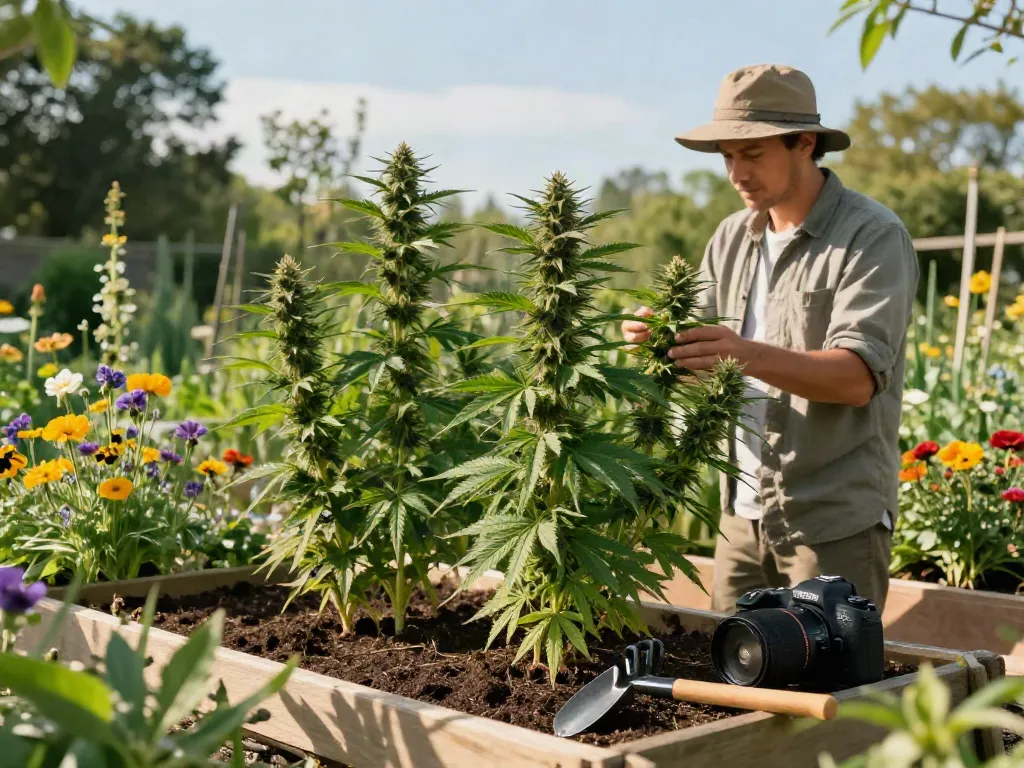
Introduction to LSO Weed Cultivation
The cannabis industry continues to evolve, with innovative growing methods reshaping how we cultivate and consume this beloved plant. Among these methods, Living Soil Organic (LSO) cultivation has emerged as a noteworthy approach, focusing on soil health and biological activity. As consumers increasingly seek organic and sustainable products, understanding LSO weed becomes essential for growers and enthusiasts alike. In this comprehensive guide, we will explore what LSO weed is, its benefits, and how it contrasts with traditional cultivation methods, all while providing actionable insights for both novice and experienced cultivators.
What is LSO Weed?
LSO weed, or Living Soil Organic weed, refers to cannabis that is cultivated in biologically vibrant soil that supports microbial life, beneficial fungi, and other organic matter. Unlike conventional cannabis farming, which often relies on synthetic fertilizers and chemical nutrients, LSO practices emphasize nurturing the soil ecosystem. By doing so, growers cultivate healthier plants that yield higher-quality buds with enhanced flavor and potency. The essence of LSO lies in creating a self-sustaining environment where plants can thrive naturally, making this method particularly appealing to eco-conscious consumers.
Benefits of Using Living Soil in Cannabis Growth
The benefits of using living soil extend far beyond just cultivation techniques. Some of the key advantages include:
- Enhanced Flavor Profile: LSO weed often boasts superior taste and aroma due to the diverse microbial life in the soil, which can impart unique characteristics to the cannabis.
- Increased Potency: Cannabis grown in living soil typically shows higher cannabinoid concentrations, providing a more potent experience for users.
- Sustainable Practices: By relying on natural processes, LSO cultivation minimizes environmental impact and fosters sustainability, making it a responsible choice for growers.
- Improved Soil Health: The continuous addition of organic matter and biological activity leads to healthier soil, which can sustain crops over the long term without depleting resources.
When exploring options, lso weed provides a holistic approach that many cultivators find rewarding.
Understanding the Cultivation Process
The process of cultivating LSO weed involves several critical steps:
- Soil Preparation: This begins with sourcing high-quality organic materials such as compost, worm castings, and other nutrient-dense inputs.
- Microbial Inoculation: Introducing beneficial microbes such as mycorrhiza fungi can enhance nutrient uptake and overall plant health.
- Planting: Seeds or clones should be planted in prepared living soil, allowing roots to interact with the complex soil ecosystem.
- Water Management: Careful attention to watering is crucial, ensuring that the soil remains moist but not overly saturated, promoting optimal microbial activity.
- Pest and Disease Control: Utilizing organic pest control methods, such as introducing beneficial insects, helps maintain a healthy growing environment.
Comparative Analysis of LSO vs. Traditional Cannabis Cultivation
Environmental Impact: LSO vs. Synthetic Methods
The environmental impact of cannabis cultivation has come under scrutiny, especially with traditional methods relying on synthetic fertilizers and pesticides. LSO cultivation promotes biodiversity, reduces pollution, and decreases reliance on non-renewable resources. By focusing on living soil, growers can sequester carbon, enhance soil health, and improve water retention, ultimately leading to a more sustainable cultivation model.
Cannabis Quality and Potency Differences
Studies have shown that cannabis cultivated in LSO tends to yield buds with richer terpene profiles and higher cannabinoid concentrations. The complex interactions between the soil's microbiome and the plant's root system enhance nutrient absorption, contributing to overall plant vitality. In contrast, cannabis from synthetic methods may lack the depth of flavor and potency associated with living soil growth.
Cost Analysis of LSO Cultivation
Initial investment costs for LSO cultivation may be higher due to the need for organic soil amendments and microbial inoculants. However, the long-term benefits often outweigh these initial costs. Healthier plants typically result in higher yields and better-quality products, which can lead to increased profits. Additionally, the sustainable practice reduces long-term reliance on expensive chemical fertilizers, making LSO a cost-effective solution over time.
Best Practices for Growing LSO Weed
Soil Preparation Techniques for LSO
Preparing soil for LSO cultivation involves integrating various organic materials to create a nutrient-rich environment:
- Compost: Use homemade or store-bought compost that is well-aged to introduce essential nutrients and microorganisms.
- Worm Castings: These provide a natural source of nutrients and beneficial bacteria.
- Mulching: Applying organic mulch prevents moisture loss and encourages microbial activity.
Watering and Nutrient Management
Proper watering techniques are crucial in LSO cultivation. It's essential to monitor soil moisture and avoid overwatering, which can disrupt the microbial ecosystem. Additionally, foliar feeding with organic nutrients can supplement soil inputs, ensuring plants receive the essential elements they need for growth.
Pest Management in Living Soil Gardens
Maintaining a balanced ecosystem helps control pests naturally. Introducing beneficial insects like ladybugs and lacewings can help manage aphid populations, while maintaining healthy soil can encourage natural predators. Additionally, practicing crop rotation and companion planting can reduce pest issues without harmful chemicals.
Challenges and Solutions in LSO Cultivation
Common Misconceptions About Living Soil
Many misconceptions about LSO exist, including the belief that it requires more effort and knowledge than traditional methods. While LSO does require understanding soil biology, the long-term benefits make it worthwhile. Educating growers about the simplicity and effectiveness of LSO can help dispel these myths.
Overcoming Environmental Challenges
Environmental challenges, such as extreme weather or pests, can impact LSO cultivation. Implementing regenerative practices, such as planting cover crops, can help build soil resilience and reduce erosion. Additionally, using greenhouses or high tunnels can protect plants from adverse weather conditions while maintaining the benefits of living soil.
Resources for Continuous Learning in LSO Cultivation
Growers interested in LSO should seek out educational resources, including workshops, online courses, and community forums. Engaging with local cooperative extension services can provide valuable insights and support tailored to regional conditions.
Future Trends in Cannabis Cultivation Beyond 2026
Innovations in Organic Farming Practices
As the cannabis industry grows, we can expect to see innovations in organic farming practices. Technologies like soil monitoring systems are becoming more accessible, allowing for precise adjustments to enhance microbial health and soil composition. Additionally, advancements in breeding techniques may yield strains specifically suited for LSO environments.
Predicted Market Growth for LSO Cannabis
The demand for organic products continues to rise, and the market for LSO cannabis is expected to grow significantly. As consumers become more health-conscious and environmentally aware, businesses that focus on sustainable cultivation will likely thrive.
Community Impact and Sustainable Practices
LSO practices foster community by promoting shared knowledge and sustainable living. Initiatives such as community gardens and cooperative cultivation can increase access to organic cannabis and educate consumers on the benefits of LSO methods.
What Does LSO Mean for Weed?
LSO stands for Living Soil Organics, reflecting a holistic approach to cannabis cultivation that prioritizes soil health and ecological balance. This method allows for the production of higher quality cannabis with a minimal environmental footprint.
What's so special about RSO?
RSO, or Rick Simpson Oil, is known for its high potency and medicinal properties, commonly used for treating various ailments. While LSO focuses on the growing process, RSO emphasizes the extraction of therapeutic compounds, making both methods significant in the cannabis landscape.
Is living soil worth it?
Investing in living soil cultivation is a decision that benefits not only the grower but also the environment. With a focus on sustainability, the rejuvenation of soil health, and the production of superior cannabis, LSO cultivation is indeed worth the commitment.