The Essentials of Feminized Seeds
As the cannabis industry continues to flourish, understanding the various types of seeds available has become crucial for both novice and experienced growers. Feminized seeds, in particular, have gained immense popularity due to their ability to produce predominantly female plants. This article delves into the intricacies of feminized seeds—what they are, how they are produced, and why they are a preferred choice for many cultivators. When exploring options, feminized seeds provide comprehensive insights into maximizing yields and simplifying the growing process.
What Are Feminized Seeds?
Feminized seeds are specially bred seeds that produce cannabis plants with a nearly 100% certainty of being female. This is critical for growers, as only female plants yield the flowers that contain the desired psychoactive compounds. Regular cannabis seeds have a 50/50 chance of becoming male or female, which often requires growers to identify and eliminate male plants. Understanding feminized seeds allows growers to optimize their garden space and focus on cultivating flower-producing plants, enhancing efficiency and productivity.
How Feminized Seeds Are Produced
The production of feminized seeds involves a sophisticated breeding technique. Breeders stress a selected female cannabis plant to produce pollen, which is then used to pollinate another female plant. By avoiding male plants entirely, this method significantly increases the likelihood of producing female offspring. The technique relies on manipulating the hormonal environment of the plants, ensuring that the resulting seeds are predominantly female. This innovative approach has revolutionized cultivation practices and provided growers with a reliable means of ensuring a female-dominant crop.
Benefits of Using Feminized Seeds
- Maximized Yield: With a high percentage of female plants, growers can maximize their yield, focusing their resources on flower production.
- Simplified Cultivation: The elimination of male plants reduces the complexity of growing, as cultivators no longer need to identify and remove males.
- Consistent Quality: Feminized seeds tend to produce uniform plants with similar traits, making it easier to predict outcomes in terms of potency, flavor, and flowering times.
- Space Efficiency: By dedicating space to only female plants, growers can make better use of their growing area and resources.
Choosing the Right Feminized Seeds
Choosing the right feminized seeds is crucial for achieving the desired results in your cannabis cultivation endeavors. With many options available, it's essential to understand the unique characteristics of different strains and what to look for when selecting seeds that align with your goals as a grower.
Understanding Different Strain Types
Feminized seeds come in various strains, each with its own unique qualities. Some strains are bred for high THC levels, while others may be prioritized for their CBD content or specific flavor profiles. Understanding the specific traits of each strain can help growers make informed decisions based on their preferences and desired outcomes. Additionally, some feminized seeds may be photoperiod, meaning they require specific light cycles to flower, while others may be autoflowering, capable of flowering regardless of light conditions.
Key Traits to Look For
When selecting feminized seeds, several key traits should be prioritized:
- THC and CBD Levels: Determine the potency you desire for your final product and choose strains accordingly.
- Flavor and Aroma: Select strains based on the flavor profiles that appeal to you or align with market demand.
- Flowering Time: Different strains have varying flowering periods; choose one that fits your cultivation schedule.
- Resilience and Growth Patterns: Look for seeds known for their resilience to pests and diseases, as well as those that grow well in your specific environment.
Making Informed Selections
Researching the breeder’s reputation, available customer reviews, and strain genetics can significantly enhance your seed selection process. Understanding the lineage of feminized cannabis seeds helps in assessing the reliability of the genetic traits you expect, ensuring that your cultivation needs are met effectively.
Cultivation Techniques for Feminized Seeds
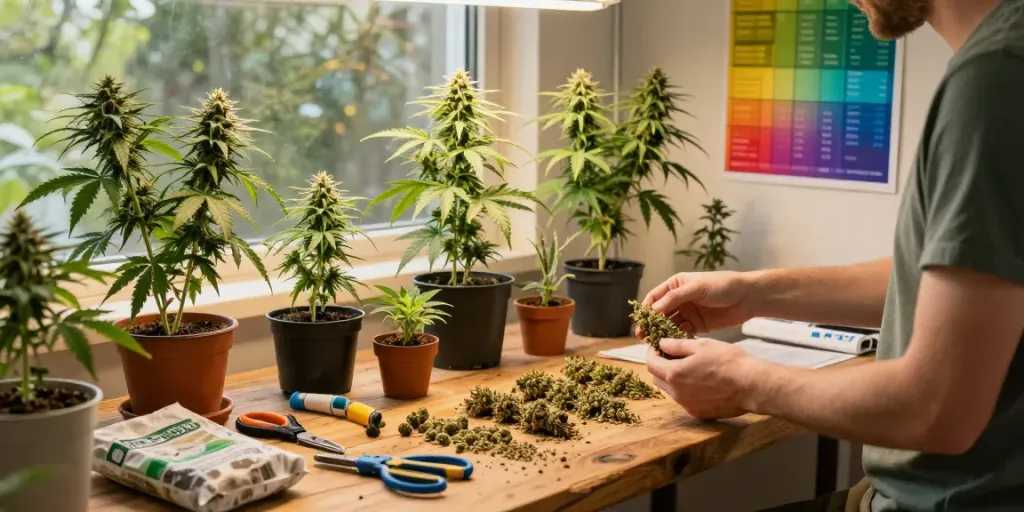
Successfully cultivating feminized seeds requires an understanding of the specific care and conditions these plants need to thrive. Both indoor and outdoor growing environments can be conducive to successful cultivation, provided the right techniques are employed.
Indoor vs. Outdoor Growing
When deciding whether to grow feminized seeds indoors or outdoors, consider your resources and environmental conditions. Indoor growing allows for greater control over factors like temperature, humidity, and lighting. Outdoor growing, on the other hand, can benefit from natural sunlight and fresh air but may expose plants to more pests and environmental fluctuations. Each method presents unique challenges and benefits, so choose one that aligns with your capabilities and growing goals.
Nutrient Requirements and Soil Types
Feminized seeds thrive in well-balanced nutrient-rich soil. It's essential to provide the right mix of macronutrients (nitrogen, phosphorus, potassium) and micronutrients (calcium, magnesium, sulfur) throughout different growth stages. Using organic amendments or high-quality soil mixtures can greatly enhance growth rates and overall plant health. Regularly testing soil pH and nutrient levels ensures optimal growth conditions.
Optimal Watering and Light Conditions
Proper watering techniques are vital for the health of feminized plants. Overwatering is a common mistake that can lead to root rot and plant stress. Ensure that plants are watered only when necessary, allowing the top layer of soil to dry out. In terms of lighting, indoor growers should adhere to recommended light cycles during the vegetative and flowering phases to promote robust growth and flowering. Outdoor growers should aim for sites that receive ample sunlight while minimizing shade during the day.
Common Challenges with Feminized Seeds
While feminized seeds offer numerous advantages, several challenges may arise during cultivation. Awareness of these challenges can help you mitigate risks and ensure a successful harvest.
Identifying Genetic Stability Issues
Despite breeding advancements, genetic stability issues can occasionally arise with feminized seeds. Some plants may express hermaphroditic traits, producing both male and female flowers. Monitoring plants closely during growth phases helps identify any irregularities early on, allowing for timely intervention.
Dealing with Stress and Its Effects
Stressors such as extreme temperatures, nutrient deficiencies, or improper watering can impact plant health and yields. Employing stress management techniques—like maintaining environmental stability and ensuring proper nutrition—can significantly enhance plant resilience against external stressors.
Pest Control and Plant Health
Maintaining a pest-free environment is crucial for healthy feminized plants. Regular inspections and implementing Integrated Pest Management (IPM) practices can help keep plants healthy. Introducing beneficial insects, using organic pesticides, and ensuring plant sanitation can create an environment conducive to robust growth.
Future Trends in Feminized Seeds
The future of feminized seeds is bright, with continuous advancements in genetics and cultivation techniques. Keeping an eye on emerging trends will help cultivators remain ahead in the evolving cannabis landscape.
Innovations in Cannabis Genetics
As breeding techniques improve, the development of new feminized strains with enhanced characteristics—such as disease resistance, improved flavors, and faster growth rates—will become more common. Innovations in genomic research are paving the way for breeders to create tailored strains that meet specific consumer demands.
Market Growth and Consumer Demand
The global market for feminized seeds is expected to grow, driven by increasing consumer demand for high-quality cannabis products. As more individuals enter the cannabis cultivation space, understanding and catering to specific market preferences will be crucial.
Legal Considerations for Growers in 2026
As laws regarding cannabis cultivation evolve, staying informed about legal requirements in your area is vital. Understanding the regulations surrounding the purchase, germination, and cultivation of feminized seeds will help you avoid potential pitfalls and ensure compliance with local laws.
What Are the Benefits of Feminized Seeds?
Feminized seeds provide a straightforward growing experience with fewer complications than regular seeds. The assurances they offer—like a reduced likelihood of male plants and maximized yields—make them an appealing choice for many growers.
How to Identify Quality Feminized Seeds?
Researching breeders, reading reviews, and examining seed lineage can help identify high-quality feminized seeds. Trustworthy sources will provide information about the genetic makeup and expected traits of their feminized seed offerings.
Can Feminized Seeds Produce Male Plants?
While feminized seeds are engineered to produce predominantly female plants, there are rare instances where hermaphroditism may occur. It’s essential to monitor your plants closely and be prepared to remove any male flowers to prevent pollination.
What Strains Are Recommended for Beginners?
Beginners may benefit from choosing feminized strains known for their resilience and ease of growth. Varieties like Northern Lights or Bubblegum are often recommended due to their forgiving nature and reliable outputs.
Where to Buy Feminized Seeds Online?
With numerous retailers online, selecting a reputable source for your feminized seeds is essential. Look for companies with positive reviews, a clear return policy, and detailed product descriptions to ensure a positive purchasing experience.