Getting Started with Your Cricut Machine
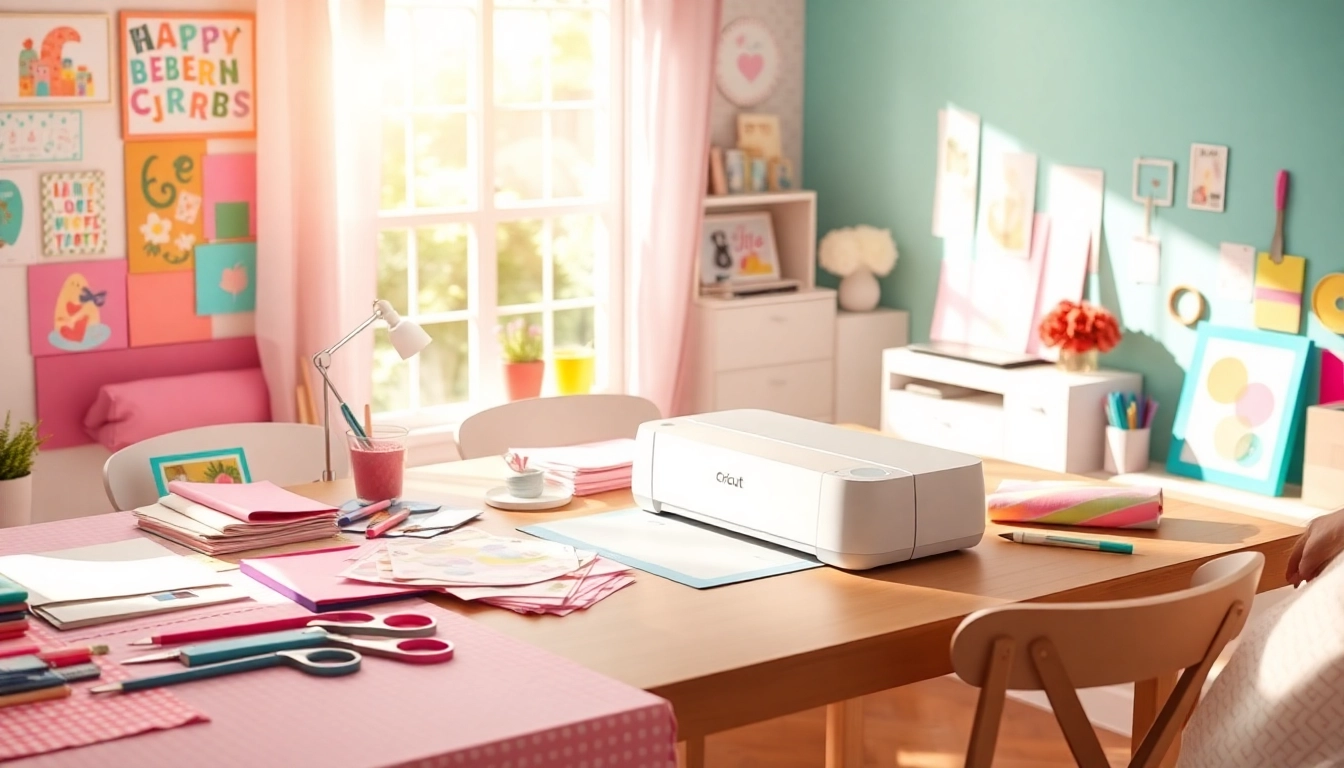
If you're new to the world of crafting and considering diving into it with a Cricut machine, you've come to the right place. The Cricut machine opens up a vast universe of creative possibilities, from making personalized gifts to professional-grade crafting projects. Understanding the essentials can significantly streamline your journey as a beginner. For comprehensive resources to assist you in your crafting endeavors, don't hesitate to explore Cricut for beginners, where you'll find guidance tailored specifically for novices.
Understanding Cricut Models and Their Features
Cricut machines come in various models, each designed to cater to different crafting needs. The common models include the Cricut Joy, Cricut Explore, and Cricut Maker series. The Cricut Joy is perfect for quick, smaller projects, making it ideal for beginners who want to test the waters. On the other hand, the Cricut Explore series provides greater versatility with cutting capabilities across a wider range of materials. The Cricut Maker stands out with its ability to cut fabric, thicker materials, and advanced features like the rotary blade.
Essential Tools and Materials for Beginners
Before you start your Cricut crafting journey, it's important to gather essential tools and materials. Besides your Cricut machine, you'll need:
- Cutting Mat: This is crucial for holding your material securely while the machine cuts.
- Blade Type: Depending on your model, you may need different blades for cutting various materials.
- Weeding Tools: These tools will help remove excess material from your designs.
- Transfer Tape: Ideal for applying your vinyl designs smoothly onto surfaces.
Setting Up Your Cricut: A Step-by-Step Guide
Once you've chosen your Cricut model and gathered your materials, setting up your machine is the next step. Here's a simple guide:
- Unpack the Machine: Carefully remove the machine and all components from the packaging.
- Plug In and Power On: Connect your machine to power and switch it on.
- Connect to Your Device: Use Bluetooth or a USB cable to connect your Cricut to your computer or smartphone.
- Install Design Space: Download and install the Cricut Design Space software to start designing.
- Calibrate Your Machine: Follow the on-screen instructions to ensure your Cricut cuts accurately.
Basic Cricut Projects for Beginners
Now that your Cricut machine is set up, it’s time to dive into your first projects. Starting with easy projects will build your confidence and help you get a feel for the machine.
Top 5 Easy Projects to Kickstart Your Cricut Journey
Here are five beginner-friendly projects to inspire you:
- Vinyl Stickers: Create custom stickers with adhesive vinyl for personalizing objects.
- Greeting Cards: Design and cut beautiful cards for any occasion.
- Iron-On T-Shirts: Use heat transfer vinyl to customize t-shirts and accessories.
- Simple Wall Art: Make personalized wall decor using cardstock or vinyl.
- Gift Tags: Create customized tags for gifts that add a personal touch.
How to Choose the Right Materials for Your First Projects
Choosing the right materials is crucial for successful projects. Begin with basic materials like:
- Adhesive Vinyl: Great for making stickers and decals.
- Heat Transfer Vinyl: Perfect for clothing and fabric projects.
- Cardstock: Ideal for cards and paper crafts.
Common Mistakes to Avoid When Starting Out
As a beginner, it's easy to make pitfalls that can hinder your crafting experience. Here are some common mistakes to avoid:
- Not Reading Instructions: Always refer to the manuals and design space tutorials.
- Using Wrong Material: Ensure that the material you choose is compatible with your Cricut model.
- Neglecting the Calibration: Always calibrate your machine for accurate cuts.
Cricut Design Space: Navigating the Software
Your Cricut machine works hand-in-hand with Cricut Design Space, the software that allows you to create and customize designs easily.
Introduction to Cricut Design Space Interface
Cricut Design Space is intuitive and user-friendly. Familiarize yourself with the layout, which includes:
- Canvas: The area where you design your projects.
- Toolbox: Contains all the tools you need for editing your designs.
- Layers Panel: Helps manage different layers of your design.
How to Create Custom Designs as a Beginner
Creating custom designs can seem daunting, but it can be fun and rewarding. Start simple by:
- Using shapes to create basic layouts.
- Incorporating text to personalize your projects.
- Utilizing the "upload" feature for custom images.
Tips for Using Pre-Made Designs Effectively
Pre-made designs can save time and enhance your projects. Here’s how to maximize their use:
- Search for designs that match your project’s theme.
- Customize colors and sizes to fit your vision.
- Combine multiple designs for a unique twist.
Building Your Cricut Skills
As you grow more comfortable with your Cricut, it’s time to expand your skillset and challenge yourself with more advanced techniques.
Intermediate Techniques: Adding Personal Flair to Your Projects
Intermediate techniques include:
- Layering Vinyl: Create depth by layering different colors of vinyl.
- Rotary Blade Usage: Cut fabric and more intricate designs for sewing projects.
- 3D Projects: Explore crafting 3D designs like boxes and ornaments.
Joining the Cricut Community for Support and Inspiration
The Cricut community is vast and filled with inspiration. Here are ways to join:
- Follow Cricut’s official social media channels.
- Join Facebook groups dedicated to Cricut enthusiasts.
- Participate in local crafting workshops.
Exploring Advanced Features: What’s Next?
Once you are comfortable with the basics, consider exploring advanced features such as:
- Creating SVG files for unlimited design possibilities.
- Using the Print Then Cut feature for intricate designs.
- Experimenting with setting adjustments for different materials.
Future Trends in Cricut Crafting for 2026 and Beyond
Crafting is an ever-evolving field. Staying informed about trends can help keep your projects fresh and exciting.
Emerging Materials and Techniques for Beginners
As technology progresses, new materials are becoming available. Look for:
- Eco-friendly materials for sustainability-conscious crafters.
- Smart materials that enable easier design manipulation.
The Role of Technology in Cricut Crafting
Technology will continue to revolutionize crafting. Anticipate:
- Software updates that enhance user experience.
- Integration with smart home devices for seamless crafting.
Predicting the Future of Cricut Projects and Community
The Cricut community will likely grow, leading to more collaborative projects and shared resources. Expect:
- Increased online tutorials and workshops.
- More avenues for sharing your creations and gaining feedback.