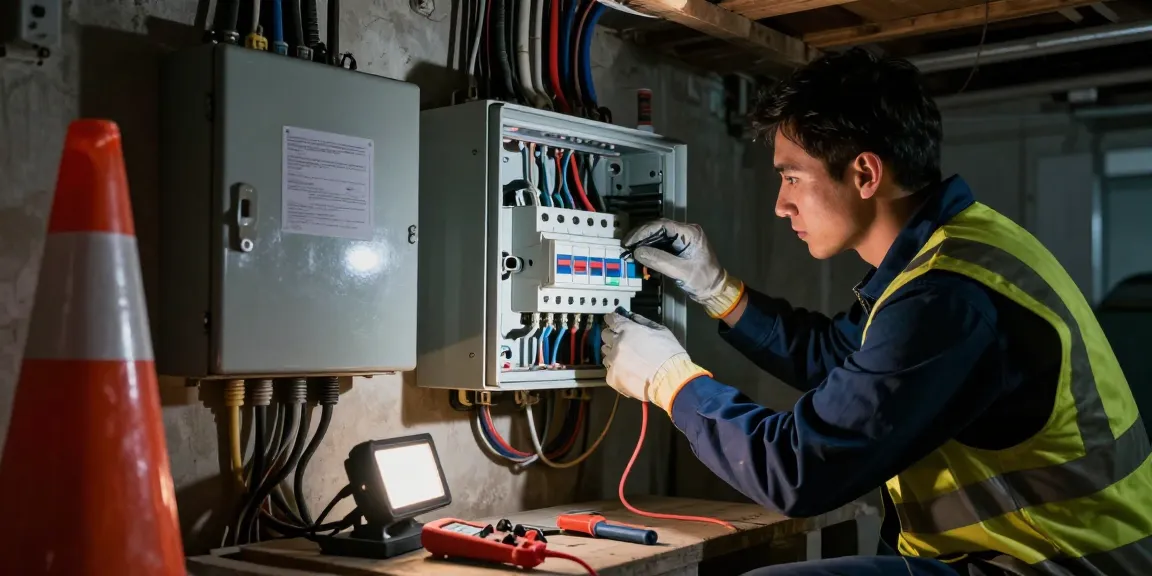
Understanding Electrical Emergencies
Electrical emergencies can strike without warning and often carry significant risks to safety and property. When we consider the implications of a malfunctioning electrical system, the importance of timely intervention becomes clear. Every homeowner and business owner should be aware of the signs that can indicate a potential electrical emergency. Recognizing these signs can prevent catastrophic events and ensure the safety of all individuals in the vicinity. Understanding the landscape of emergency electrical services is crucial for anyone who wants to protect their investment and their loved ones. For expert support, indigoboxersndanes.com provides comprehensive insights into managing these critical situations effectively.
What Constitutes an Electrical Emergency?
An electrical emergency occurs when any electrical fault poses an immediate risk to safety or property. This could be due to short circuits, exposed wires, or malfunctioning appliances. Common examples include:
- Flickering lights or frequent power outages.
- Burning smells or scorch marks near outlets and switches.
- The sudden tripping of circuit breakers.
- Electrical shocks when touching appliances or light switches.
Recognizing these issues promptly can be the difference between a minor repair and a catastrophic failure leading to fires or severe injuries.
Common Signs That Signal Urgent Action
Homeowners should remain vigilant for the following signs that indicate the need for immediate attention:
- Pop Sounds: Unusual popping or buzzing sounds from outlets or electrical panels.
- Heat: Heat emitted from outlets or switches, which can indicate overload or wiring issues.
- Discoloration: Dark spots or discoloration around outlets and switches are often indicators of electrical arcing.
- Device Malfunction: Appliances that frequently malfunction or experience surges may signal underlying electrical problems.
Safety Risks Associated with Delayed Repairs
Neglecting electrical issues can lead to severe consequences such as fires, injuries, or permanent damage to property. The National Fire Protection Association (NFPA) identifies electrical failures as a leading cause of residential fires. Additionally, unresolved electrical problems can escalate, resulting in higher repair costs and extended service interruptions. Investing in timely interventions not only protects individuals but also safeguards properties from long-term damage.
Best Practices for Emergency Electrical Repairs
When faced with an electrical crisis, it’s essential to respond quickly and efficiently to mitigate risks. Following best practices can ensure a safer environment:
Initial Steps When Facing an Electrical Crisis
In the event of an electrical emergency, follow these steps:
- Turn Off Power: If safe, switch off the power at the main circuit breaker.
- Assess the Situation: Identify symptoms and possible sources of the problem. Look for signs like smoke or sparks.
- Evacuate if Necessary: If there's a fire or severe danger, evacuate the premises immediately.
- Contact a Professional: Always call a certified electrician to handle electrical emergencies. Attempting repairs without proper knowledge can be dangerous.
Essential Tools Every Emergency Electrician Should Have
For those entering the profession or homeowners attempting minor fixes, understanding the essential tools of the trade is important:
- Multimeter: For measuring voltage, current, and resistance.
- Screwdrivers: Both Phillips and flathead for various fasteners.
- Wire Strippers: Essential for safely stripping insulation from wires.
- Insulated Gloves: Important for personal protection when handling electrical systems.
Understanding and Complying with Electrical Safety Codes
Complying with local electrical codes is crucial for safety and legality. These codes serve as a guideline to ensure installations and repairs meet safety standards. Familiarize yourself with the National Electrical Code (NEC) and local regulations to avoid fines and improve safety.
Choosing the Right Emergency Electrician
Selecting a qualified emergency electrician is essential for effective resolution of electrical issues. The right professional can make a significant difference in the quality and safety of the repairs.
Key Qualifications to Look For
When choosing an electrician, ensure they have the following qualifications:
- Licensing: Verify that the electrician holds the necessary state and local licenses to operate.
- Insurance: A reputable electrician should carry liability and workers’ compensation insurance.
- Experience: Look for electricians with specific experience in emergency repairs to ensure they can handle critical situations.
How to Evaluate a Potential Electrician's Credentials
Perform background checks on potential electricians by:
- Checking online reviews and references.
- Verifying their licensing and insurance status through local authorities.
- Requesting a portfolio of previous emergency work to assess their expertise.
Questions to Ask Before Hiring
To gauge the reliability and competence of an electrician, consider asking the following:
- How long have you been in business?
- What is your response time for emergencies?
- Can you provide references from previous emergency jobs?
- What warranties or guarantees do you offer on your work?
Case Studies: Real-Life Emergency Electrical Situations
Examining real-life situations can provide valuable insights into effective responses to electrical emergencies.
Successful Resolutions and Lessons Learned
In one instance, a homeowner noticed flickering lights and a burning smell. They promptly contacted a certified electrician who discovered overloaded circuits due to too many high-wattage appliances connected to a single outlet. The electrician redistributed the load and replaced the faulty wiring, preventing a potential fire. This case highlights the importance of swift action and professional expertise.
Analysis of Failure Cases and Prevention Strategies
Conversely, a property owner who ignored frequent circuit breaker tripping faced devastating consequences when a short circuit ignited a fire. This situation emphasizes the necessity of regular electrical system inspections and the importance of not overlooking signs of trouble.
Future Trends in Emergency Electrical Services
As technology evolves, so do emergency electrical services. Future trends include the integration of smart home technology, allowing for quicker detection of electrical issues through real-time monitoring. Additionally, advancements in communication technology will enable electricians to provide faster service through mobile apps, enhancing customer experience and safety.
FAQs About Emergency Electrical Services
What should I do if I have an electrical emergency?
The first step is to turn off the power at the main circuit breaker. If safe to do so, assess the situation for signs of danger and contact a professional electrician immediately.
How quickly should I hire an electrician for an emergency?
Time is of the essence in electrical emergencies. Ideally, you should contact an electrician at the first sign of any electrical issue to prevent further complications.
Why is professional help necessary for electrical issues?
Professional electricians possess the knowledge, skills, and tools to safely address electrical problems. Attempting repairs without expertise can lead to dangerous situations, including risks of electrical shock and fire.
What are the average costs for emergency electrical work?
Emergency electrical services can vary widely in cost based on the type of service needed, the time of day, and your location. On average, expect to pay between $150 to $500 for urgent repairs, but this can increase depending on the complexity of the issue.
How can I prevent electrical emergencies in my home?
Preventive measures include regular inspections by a licensed electrician, ensuring appliances are used according to their specifications, and installing surge protectors. Homeowners should also educate themselves on the signs of electrical issues to act promptly.