
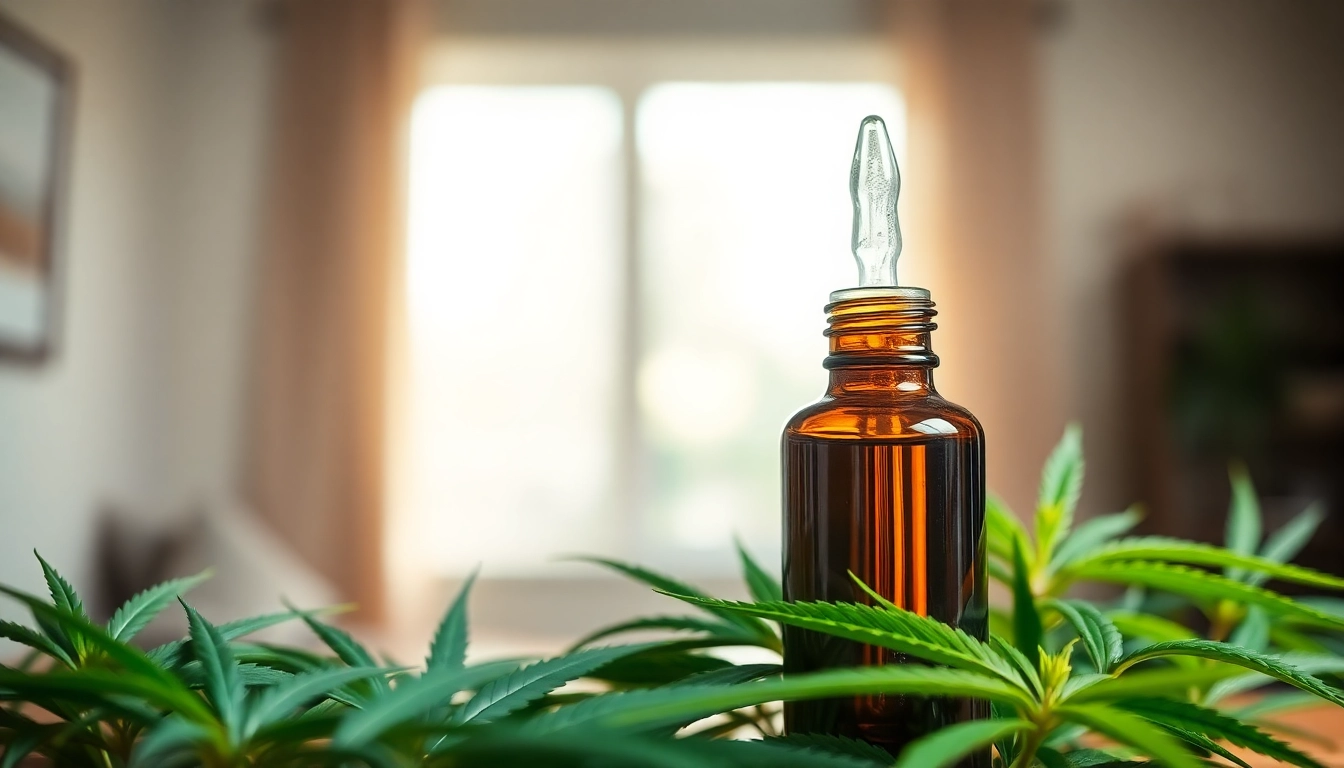
Understanding CBD: Comprehensive Insights and Health Benefits
Cannabidiol, commonly referred to as CBD, has gained significant attention in the wellness industry for its purported health benefits. Derived from the hemp plant, CBD is one of the over 100 active cannabinoids found within cannabis plants, holding promise for various therapeutic applications without the psychoactive effects typically associated with cannabis use. This article provides an in-depth exploration of CBD, its origins, health benefits, safety considerations, and future trends, making it a detailed resource for anyone interested in understanding the potential of CBD.
What is CBD?
The Origins of CBD
CBD's roots can be traced back to ancient civilizations, where hemp was utilized for various purposes ranging from ropes to food. The modern interest in CBD began with the discovery of its presence in cannabis plants and subsequent research into its unique properties. In the 1940s, it was identified as one of the principal components of marijuana. Unlike its more famous counterpart, THC (tetrahydrocannabinol), CBD does not produce a euphoric high. This non-psychoactive quality has made it a popular choice for those interested in the medicinal aspects of cannabis without the intoxicating effects.
Chemical Composition of CBD
Chemically, CBD is classified as a phytocannabinoid, forming part of a larger family of compounds that engage with the body's endocannabinoid system. This system is crucial for maintaining homeostasis and regulating various functions, including mood, pain sensation, appetite, and immune response. CBD interacts primarily with CB1 and CB2 receptors but does not bind directly, which is thought to contribute to its wide range of effects.
How CBD is Extracted
The extraction of CBD from cannabis and hemp plants can be achieved through various methods, including CO2 extraction, solvent extraction, lipid extraction, and steam distillation. The CO2 extraction method is considered to be the most efficient and safest, allowing for precise control over the extraction process and preserving the integrity of the cannabinoids and terpenes. Once extracted, CBD can be processed into various forms such as oils, tinctures, capsules, edibles, and topical creams, making it versatile for different consumer needs.
Health Benefits of CBD
CBD for Pain Management
A pivotal application of CBD is in pain management. Numerous studies suggest that CBD may help alleviate chronic pain conditions, including arthritis and neuropathic pain, by modulating the endocannabinoid system's response to pain signals. Research indicates that CBD’s anti-inflammatory properties can reduce inflammation and pain in affected joints and tissues, leading to improved quality of life for those suffering from chronic pain.
CBD and Mental Health
CBD's potential benefits extend into mental health, where it has been studied for its effects on anxiety and depression. Preliminary findings have shown that CBD may help reduce anxiety in both human and animal studies, potentially by influencing serotonin receptors in the brain. This effect makes it a compelling option for those seeking alternative treatments for anxiety disorders, as traditional medications often come with significant side effects.
Impact of CBD on Sleep Quality
Sleep disturbances are a common issue affecting large segments of the population. CBD has emerged as a potential remedy, with studies indicating that it can improve sleep quality and help those suffering from insomnia. By regulating sleep cycles and addressing underlying anxiety or pain issues that may disrupt sleep, CBD may provide a natural solution for sleep-related problems. Many users report experiencing improved sleep patterns after incorporating CBD into their nighttime routine.
How to Use CBD Safely
Dosing Guidelines for CBD
Determining the appropriate dosage of CBD can be tricky as it varies based on individual factors such as body weight, metabolism, and the condition being treated. A general recommendation is to start with a low dose, typically between 10-20 mg per day, and gradually increase it based on individual response. Consulting with a healthcare professional familiar with cannabis is advisable to develop a personalized dosing plan.
Possible Side Effects of CBD
Although CBD is generally well-tolerated, it can cause side effects in some individuals. Common side effects include dry mouth, fatigue, drowsiness, and changes in appetite. Understanding these potential effects is crucial for users, particularly those who may be sensitive to compound interactions. Monitoring one’s body and adjusting dosage accordingly can help mitigate unwanted side effects.
Interactions with Other Medications
Another critical aspect of using CBD is its potential interaction with other medications. CBD can affect how certain drugs metabolize in the liver, which might reduce or enhance their effects. Individuals on medication should consult their healthcare provider to discuss possible interactions and determine if CBD is a safe option for them.
Choosing the Right CBD Product
CBD Oils vs. Edibles
When it comes to choosing CBD products, users often grapple with the decision between oils and edibles. CBD oils, typically extracted in a concentrated form, allow for rapid absorption into the bloodstream and more immediate effects. On the other hand, edibles such as gummies or capsules provide a discrete and convenient way to consume CBD but may take longer to feel the effects as they must pass through the digestive system. The choice often depends on personal preference and desired effects.
Reading CBD Labels
Understanding product labels is crucial for consumers to ensure they are purchasing quality CBD. Labels should clearly state the amount of CBD per serving, the source of the hemp, extraction methods, and third-party lab testing results. Comprehensive labels allow consumers to make informed choices and assess the reliability of the product; transparency is key when navigating the CBD market.
Understanding CBD Concentrations
CBD products come in various concentrations, which can range widely. Understanding the difference between full-spectrum, broad-spectrum, and isolates is integral to selecting the right product. Full-spectrum CBD contains all cannabinoids found in the cannabis plant, including trace amounts of THC, while broad-spectrum contains multiple cannabinoids without THC. Isolates are pure CBD—ideal for those who wish to avoid THC entirely. Each type has different effects and benefits, catering to diverse user needs.
Future of CBD in Wellness
Emerging Research on CBD
Research into CBD is still in its infancy, and ongoing studies continue to uncover potential benefits and applications. Emerging research is exploring its effects on conditions like epilepsy, neurodegenerative diseases, and its anti-inflammatory properties. As more is understood about this compound, it could revolutionize treatment approaches for a variety of health concerns.
Regulatory Landscape for CBD
The regulatory environment surrounding CBD is continually evolving. While the 2018 Farm Bill legalized hemp-derived CBD at the federal level in the United States, state laws vary, and regulations can often be confusing. Understanding the legal implications of CBD use is essential for consumers to stay compliant and informed about their rights and responsibilities.
Consumer Trends in CBD Use
Cultural perceptions of CBD are shifting rapidly, with consumers increasingly seeking products designed to integrate CBD into their wellness routines. Trends indicate a growing preference for natural and organic products, and innovative applications are emerging, such as skincare and pet care formulations. As consumer education improves, it’s likely that the adoption of CBD will continue to rise, leading to further innovation in the market.