Understanding CBD Seeds: An Overview
As the cannabis industry continues to expand, the demand for CBD seeds has surged among growers and consumers. These seeds are specifically bred to produce plants that yield high concentrations of cannabidiol (CBD), a compound known for its therapeutic benefits without the psychoactive effects typically associated with THC. In this article, we will delve into what CBD seeds are, their cannabinoid profiles, the various types available, and how to choose the right seeds for your cultivation needs.
What Are CBD Seeds?
CBD seeds are the seeds of cannabis plants that have been selectively bred to produce high levels of cannabidiol while minimizing tetrahydrocannabinol (THC), the psychoactive component of cannabis. Typically derived from hemp varieties, these seeds undergo a breeding process that emphasizes a favorable cannabinoid profile, aiming for strains that can provide therapeutic effects without the intoxicating effects of THC. Understanding the genetic background is crucial when selecting CBD seeds, as the cannabinoid profile varies significantly between different strains.
The Importance of Cannabinoid Profiles
The cannabinoid profile of a cannabis seed defines the chemical composition of the resulting plant. It is influenced by genetics and environmental factors during growth. Strains can express a range of CBD and THC content, and it's essential to note that the label “CBD” does not guarantee low THC levels. Quality breeders focus on stabilizing traits over generations to ensure consistent cannabinoid ratios, leading to CBD-forward cultivars that appeal to therapeutic users and recreational smokers alike.
Types of CBD Seeds: Feminized, Autoflowering, and More
When looking to purchase CBD seeds, growers will encounter several types, including feminized, autoflowering, and photoperiod seeds. Feminized seeds ensure that nearly all the plants grown will be female, which produce the flowers that contain cannabinoids. Autoflowering strains switch from the vegetative to flowering phase based on age rather than light cycle, which can simplify the growing process for beginners. Understanding these types helps growers select the right seed for their specific growing conditions and desired outcomes.
Choosing the Right CBD Seeds for Your Needs
Selecting the right CBD seeds involves understanding various factors, including your growing environment, desired cannabinoid profile, and local legal requirements. Evaluating the genetic lineage of CBD seeds can provide valuable insights into what you can expect from the plants, including their growth behavior and cannabinoid output.
Evaluating CBD vs. THC-Dominant Strains
One of the fundamental decisions a grower must make is whether to cultivate CBD-dominant strains or THC-dominant ones. CBD strains are typically preferred for medical use, targeting conditions like anxiety and chronic pain, while THC-dominant strains are favored for recreational purposes. It's important to understand the potential effects and uses of each type to make an informed choice based on personal preferences and intended use.
How to Compare CBD Seed Genetics
When browsing CBD seeds, compare various genetic profiles by examining their cannabinoid ratios, lineage, and breeder reputation. Reliable breeders provide transparent information about their genetic testing and the stability of their strains. Look for reputable seed banks that focus on high-quality genetics and have a strong history of successful breeding outcomes.
Local Regulations and Legal Considerations
Before purchasing CBD seeds, it is crucial to familiarize yourself with local laws regarding cannabis cultivation. Different regions have varied regulations concerning THC levels, cultivation practices, and whether home-growing is permitted. Always ensure that your chosen seeds comply with the legal standards set by your jurisdiction to avoid potential legal issues down the line.
Best Practices for Growing CBD Seeds
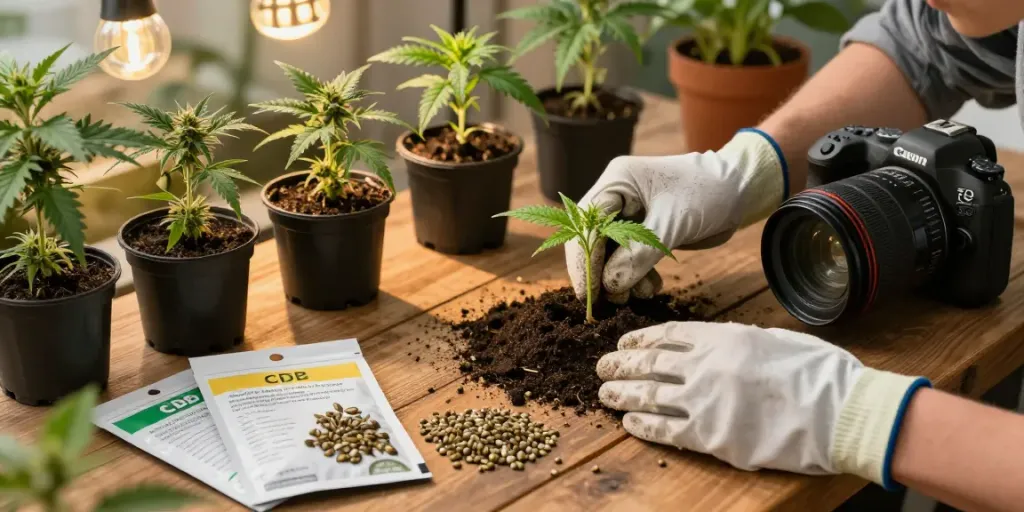
Growing CBD seeds can be a rewarding experience, but it comes with its challenges. Following best practices can help ensure healthy plants that yield the desired cannabinoid profiles.
Setting Up Your Indoor or Outdoor Grow Environment
The growing environment plays a significant role in the successful cultivation of CBD plants. For indoor grows, select a dedicated space with controlled temperature, humidity, and lighting. Outdoor growers should choose a location that receives adequate sunlight and is sheltered from harsh weather conditions. Proper ventilation and air circulation are also key components for maintaining healthy plants.
Watering and Nutrient Guidelines for Optimal Growth
Sustainable watering practices can enhance plant health. Ensure that plants are not overwatered or underwatered, as imbalances can affect growth rates and cannabinoid production. Use nutrient solutions that cater specifically to cannabis plants, considering their growth phase. Regularly monitor soil pH levels and adjust nutrient delivery accordingly to maximize plant health.
Pest Management Strategies for CBD Plants
Integrated pest management (IPM) is essential for protecting CBD plants from common pests and diseases. Implementing preventative measures, such as using companion planting or introducing beneficial insects, can reduce pest outbreaks. Organic pest control solutions can minimize harm to the plants and maintain the integrity of the cannabinoid profiles.
Challenges and Considerations in CBD Seed Cultivation
While growing CBD seeds can be rewarding, it's essential to understand and address the challenges that may arise during cultivation.
Common Misconceptions About CBD vs. THC
One prominent misconception is that CBD does not offer any recreational benefits. While it is primarily sought for its therapeutic effects, many users enjoy the clear-headed experience associated with high-CBD strains. Another misunderstanding is surrounding the legal implications; not all CBD seeds are created equal, and understanding the distinctions is crucial for compliance.
Overcoming Environmental Challenges in Growth
The environment can significantly impact the growth and health of CBD plants. Unfavorable weather conditions, pests, or diseases can lead to lower yields and subpar cannabinoid profiles. Adapting management practices according to environmental conditions and being proactive about plant care can help mitigate these risks.
Understanding Harvest Timing and Processing
Harvesting at the right time is critical for obtaining optimal cannabinoid levels. Monitoring the trichomes on the buds can help determine the perfect harvest window. After harvesting, proper drying and curing procedures ensure the preservation of cannabinoid profiles and terpenes, enhancing the overall quality of the final product.
Future Trends in CBD Seed Cultivation
The future of CBD seed cultivation looks promising as research and technology continue to evolve. Growers should stay informed about the latest trends to adapt their practices accordingly.
Innovations in Cannabis Breeding Techniques
Advancements in breeding techniques, such as CRISPR and genomic editing, are paving the way for more precise cultivation of CBD-rich plants. These methods allow breeders to select for desirable traits with greater accuracy, leading to more stable and potent strains. Expect to see a rise in cultivars specifically engineered for unique cannabinoid profiles and enhanced resistance to environmental stressors.
Consumer Demand and Market Predictions for 2026
As consumer interest in CBD products continues to grow, the market for CBD seeds is expected to expand as well. Predictions indicate an increase in demand for both high-CBD and balanced CBD:THC strains, as consumers seek tailored experiences. Growers should prepare for a competitive market focused on quality and cannabinoid diversity.
Expert Insights on the Future of CBD Seeds
Industry experts suggest that the future of CBD seeds will include a greater emphasis on sustainability and ethical breeding practices. As the market matures, consumers are increasingly drawn to brands committed to environmental responsibility and transparency in their breeding processes.
Frequently Asked Questions
Where can I buy CBD only seeds?
You can purchase CBD seeds from specialized seed banks and online retailers that focus on high-quality genetics and reputable breeding practices.
Who has the best CBD seeds?
The best CBD seeds come from reputable breeders known for their rigorous testing and genetic stability. Look for reviews and community feedback when choosing a supplier.
What are the benefits of growing CBD seeds?
Growing CBD seeds offers numerous benefits, including access to high-quality cannabis, potential therapeutic effects, and the satisfaction of cultivating your own plants.
Can CBD seeds be grown indoors?
Yes, CBD seeds can be successfully grown indoors, provided that you create a controlled environment with suitable light, temperature, and humidity levels.
Are CBD seeds legal in my area?
Legal status varies by location. Ensure you research local regulations concerning CBD cultivation before purchasing or germinating seeds.