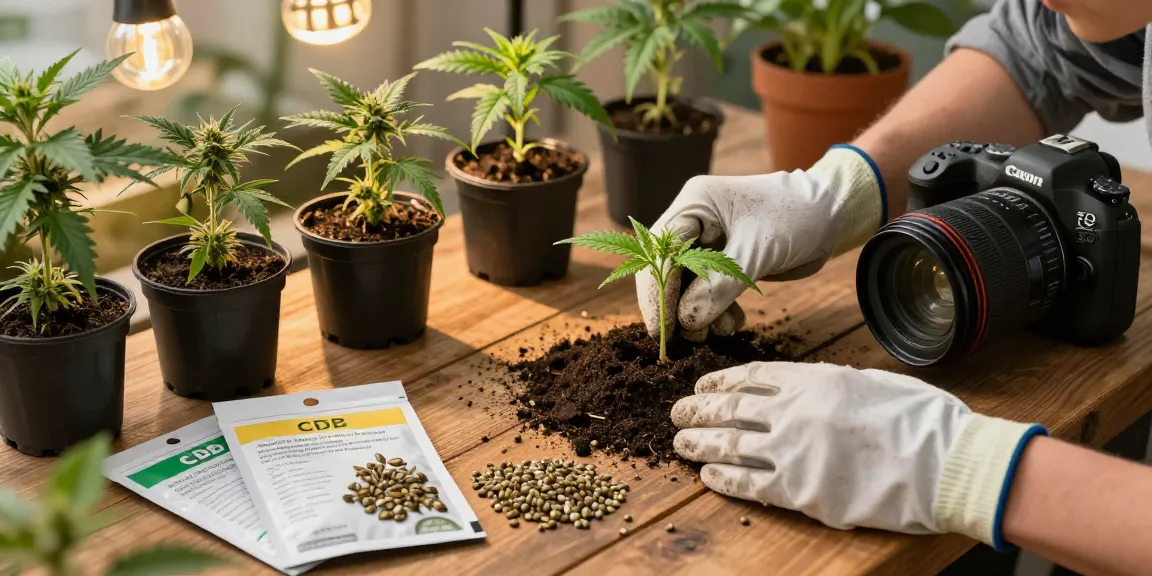
Understanding CBD and Its Health Benefits
Cannabidiol (CBD) is a non-psychoactive compound derived from the cannabis plant, gaining traction as a wellness supplement since its peaceful coexistence with its counterpart, THC. As individuals seek natural remedies for various health issues, CBD offers a promising alternative that caters to the needs of many, featuring an array of potential therapeutic applications. Whether you're battling anxiety, struggling with sleep disorders, or seeking relief from chronic pain, CBD may provide the solution you need. Moreover, the growing number of products on the market, including oils, capsules, edibles, and topical applications, presents an opportunity for users to explore the benefits of CBD in a way that suits their personal preferences.
When exploring options, Colorado online dispensary that ships to all states provides comprehensive insights into using CBD as a wellness supplement. This versatility, combined with ongoing research, paints a hopeful picture for those seeking natural health solutions.
What is CBD and How Does It Work?
CBD is one of over a hundred cannabinoids found in the cannabis plant. Unlike THC, it does not induce psychoactive effects, making it appealing to users looking for therapeutic benefits without the high. CBD interacts with the body’s endocannabinoid system (ECS), a complex network of receptors and neurotransmitters that plays a crucial role in regulating various bodily functions such as mood, pain, sleep, and immune response. By binding to cannabinoid receptors, notably CB1 and CB2, CBD influences these physiological processes, potentially leading to improved well-being.
Health Benefits of CBD Products for Wellness
- Anxiety and Stress Management: Research shows that CBD may help reduce anxiety levels by affecting serotonin receptors in the brain.
- Improvement in Sleep Quality: Many users report enhanced sleep quality, with CBD potentially aiding in directing sleep-wake cycles and promoting relaxation.
- Pain Management: CBD is often lauded for its analgesic properties, helping to alleviate chronic pain conditions ranging from arthritis to multiple sclerosis.
- Inflammation Reduction: Studies suggest that CBD possesses anti-inflammatory properties, making it beneficial in managing inflammatory conditions.
- Enhanced Focus: Some users find that CBD helps improve concentration and decrease the mental fog that can come with anxiety.
- Post-Workout Recovery: Athletes use CBD products to aid recovery after strenuous workouts due to its potential pain-relieving and anti-inflammatory effects.
Comparing CBD with Other Cannabinoids
While CBD and THC are the most well-known cannabinoids, several others, such as cannabigerol (CBG) and cannabinol (CBN), also exhibit unique benefits. CBG is often referred to as the "mother cannabinoid," as it’s the precursor to both CBD and THC. Preliminary research indicates that CBG can stimulate appetite and may possess anti-inflammatory properties. Conversely, CBN, a byproduct of THC degradation, is brought into focus for its potential sedative effects, making it an interesting candidate for aiding sleep.
Types of CBD Products Available
The market offers a variety of CBD products catering to diverse preferences and desired effects. Understanding the different forms can help users make informed decisions about their wellness journey.
Oils, Tinctures, and Capsules: Which to Choose?
CBD oils and tinctures offer two of the most popular methods for ingesting CBD. Oils are typically made by suspending CBD extract in a carrier oil, while tinctures may include alcohol. These products can be taken sublingually for quicker absorption. Capsules provide a pre-measured dose, making them ideal for users looking for convenience. However, users should note that the onset time may vary, with oils often acting faster than capsules, which must first pass through the digestive system.
Edibles and Gummies: Enjoying CBD in Delicious Ways
CBD edibles, such as gummies, chocolates, and beverages, offer an enjoyable method for consuming CBD. They provide a discreet way to integrate CBD into daily routines. However, consumers should be aware of the metabolism process affecting bioavailability, where the digestive system can alter the effects and onset time. As a rule of thumb, users may find that edibles produce a slower onset compared to other delivery methods.
Topicals and Vapes: Innovative Delivery Methods
Topical applications, including creams, balms, and patches, allow CBD to be absorbed directly into the skin, providing localized relief for conditions such as joint or muscle pain. Vaping CBD offers rapid effects as the compound passes directly into the bloodstream through the lungs, but users should be cautious about choosing high-quality products to avoid the risks associated with poorly manufactured vape juices.
Dosage Guidelines for Effective Use
Finding the right dosage can be crucial for obtaining the desired effects from any CBD product. The process can often be challenging due to the lack of a one-size-fits-all approach.
Understanding Dosage: How Much CBD Should You Take?
Begin with a low dose, typically between 5 to 10mg of CBD, and gradually increase until achieving desired effects. Individual reactions can differ widely based on factors such as weight, tolerance, and method of consumption. Keeping a journal can aid users in tracking dosages against perceived effects.
Titration Techniques for Finding the Right Dose
Titration involves starting with a low dose and slowly increasing it until the desired effects are observed. This approach allows individuals to discover their unique responsiveness to CBD without the risk of overwhelming side effects.
Factors Affecting CBD Bioavailability
Bioavailability describes the degree and rate at which active substances or active moieties are absorbed and become available at the site of action. Delivery method, timing, body weight, and individual metabolism all significantly influence CBD's bioavailability, with vaping and sublingual oils typically offering higher rates than oral ingestion.
Quality Indicators for CBD Products
Ensuring quality and safety when purchasing CBD products is essential for a satisfactory experience and desired therapeutic effects.
The Importance of Third-Party Testing and COA
Third-party testing assures consumers that the product meets safety and quality standards. The Certificate of Analysis (COA) details the product’s cannabinoid profile, confirming purity and potency. Potential buyers should always check for these certificates before making a decision.
Identifying Quality and Safety in CBD Products
Look for clarity in sourcing and formulation. A reputable brand will disclose information about their hemp sourcing, extraction methods, and the processes used to ensure product safety. Organic certifications can also indicate higher quality, as they require rigorous standards of cultivation.
How to Choose Reputable Online Dispensaries
Selecting a trustworthy dispensary involves reviewing customer feedback, checking lab results, and looking for transparency in their practices. A strong reputation is built upon service and product quality, so explore your options carefully before purchasing.
Legal Considerations for CBD Usage in 2026
The legalization and regulation of CBD products are continually evolving, making it necessary for users to stay informed about the laws governing these products.
Current Regulations for CBD in All States
The 2018 Farm Bill legalized hemp-derived CBD products in the United States, provided they contain less than 0.3% THC. However, individual states may have varying regulations governing the sale and use of CBD products, highlighting the importance of awareness of local laws.
The Legality of THC in CBD Products
While CBD can legally contain a small amount of THC (under 0.3%), products marketed as THC-free should be verified through lab testing to ensure compliance with regulations.
Safety and Compliance Practices for Online Purchases
Consumers should look for evidence of safe practices, like COA availability and manufacturer certifications. Additionally, it’s wise to investigate return policies, shipping options, and customer service responsiveness before selecting a vendor.
FAQs
Is it safe to order from a Colorado online dispensary?
Ordering from a reputable online dispensary in Colorado can be safe. Ensure the vendor provides third-party test results, has a customer-friendly return policy, and maintains transparency about their products.
How is CBD oil extracted from hemp?
CBD oil is typically extracted through methods such as CO2 extraction, which uses carbon dioxide to create a highly pure extract, or ethanol extraction, where alcohol is used to pull CBD from the plant. Each method has its benefits and varying costs.
What should I look for in third-party lab results?
Check for a complete cannabinoid profile, potency levels, and contaminant analysis in the lab results. Ensure that tests confirm the absence of pesticides, heavy metals, and solvents.
Can I legally ship CBD to my state?
Shipping CBD products is permissible across state lines as long as they comply with federal regulations. Always verify state-specific laws before purchasing to avoid legal complications.
What are potential side effects of using CBD?
Common side effects of CBD may include drowsiness, dry mouth, and digestive changes. It's vital to consult with a healthcare provider, especially if you take other medications, to avoid potential interactions.